Types of trees and how to identify them
The common types of trees in the United States, one page per tree or tree group: oaks, maples, pines, ashes, elms and more, each built around the field marks that separate it from its look-alikes, with its sources listed.
Not sure which tree you have? Answer a few questions in the tree identification key
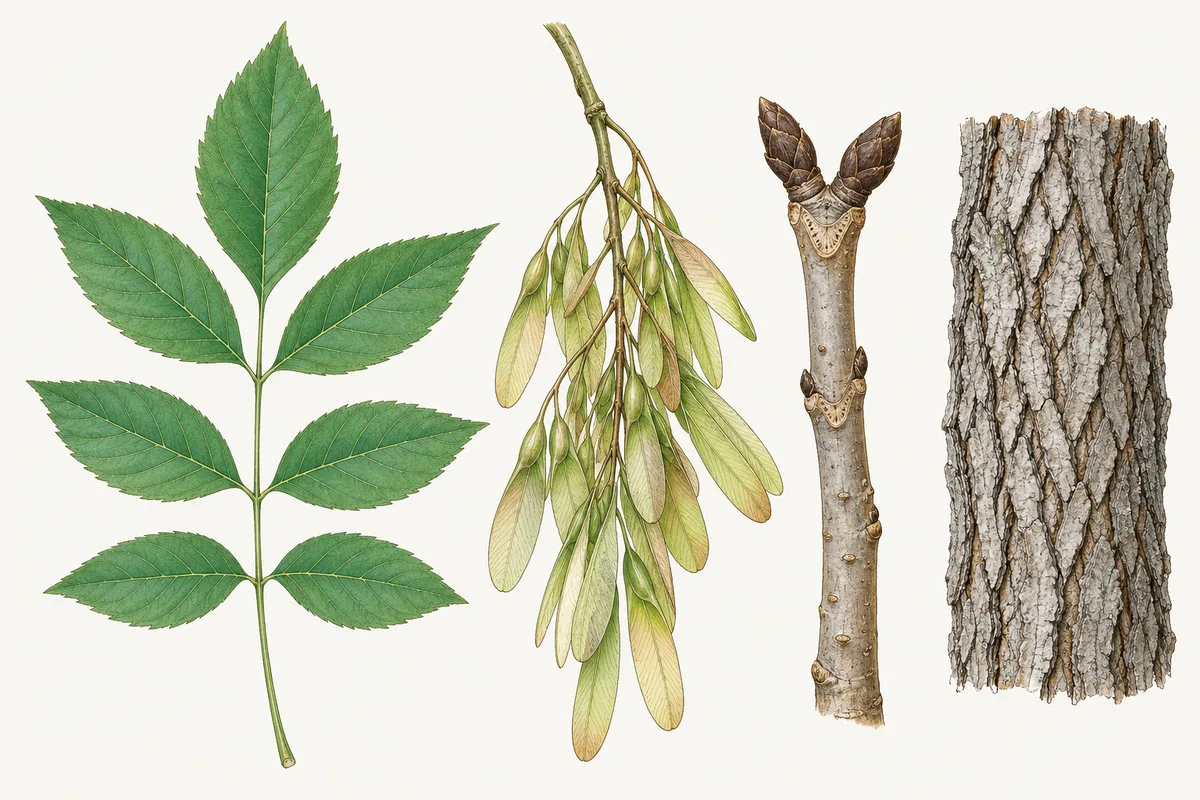 Tree profileAsh trees (Fraxinus): how to identify themFraxinusIdentify an ash by its opposite compound leaves, diamond bark and paddle seeds; tell white, green and black ash apart and spot emerald ash borer signs.
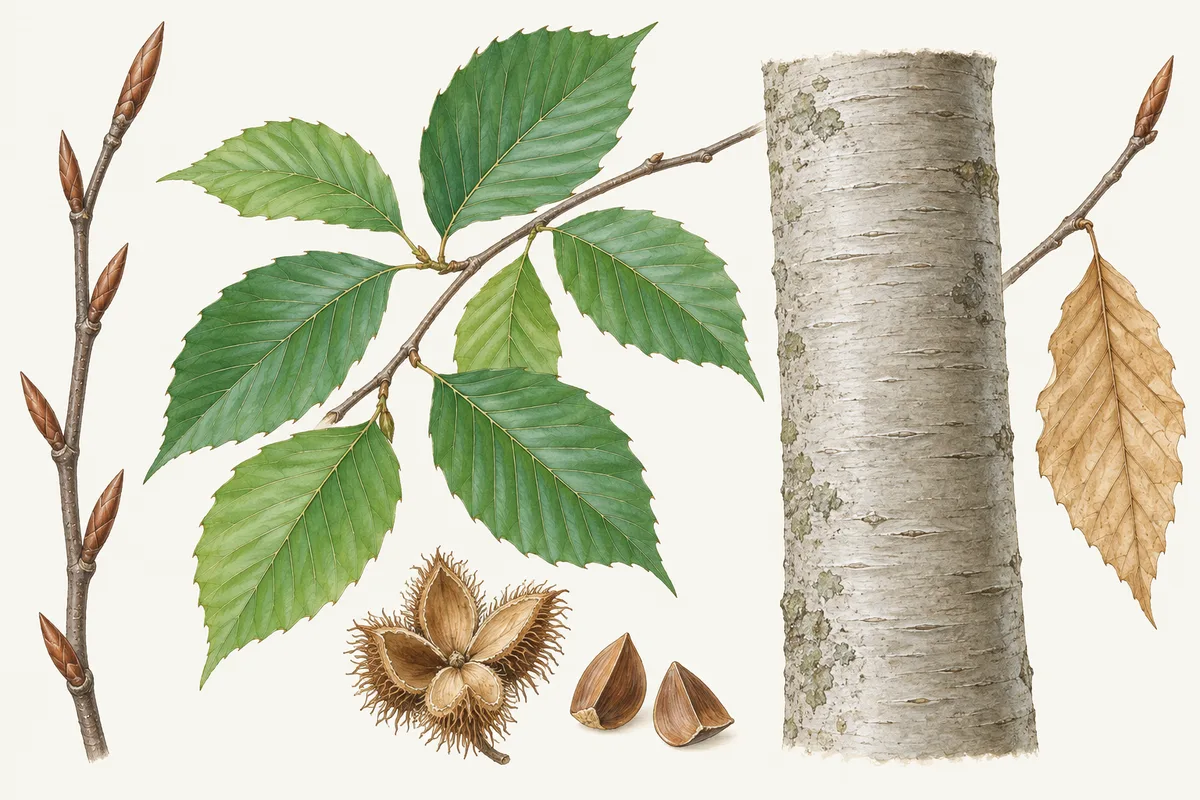 Tree profileBeech (Fagus): how to identify a beech treeFagusIdentify a beech by its smooth gray bark, long cigar-shaped buds, one tooth per leaf vein and dry leaves held into winter, and tell it from hornbeam.
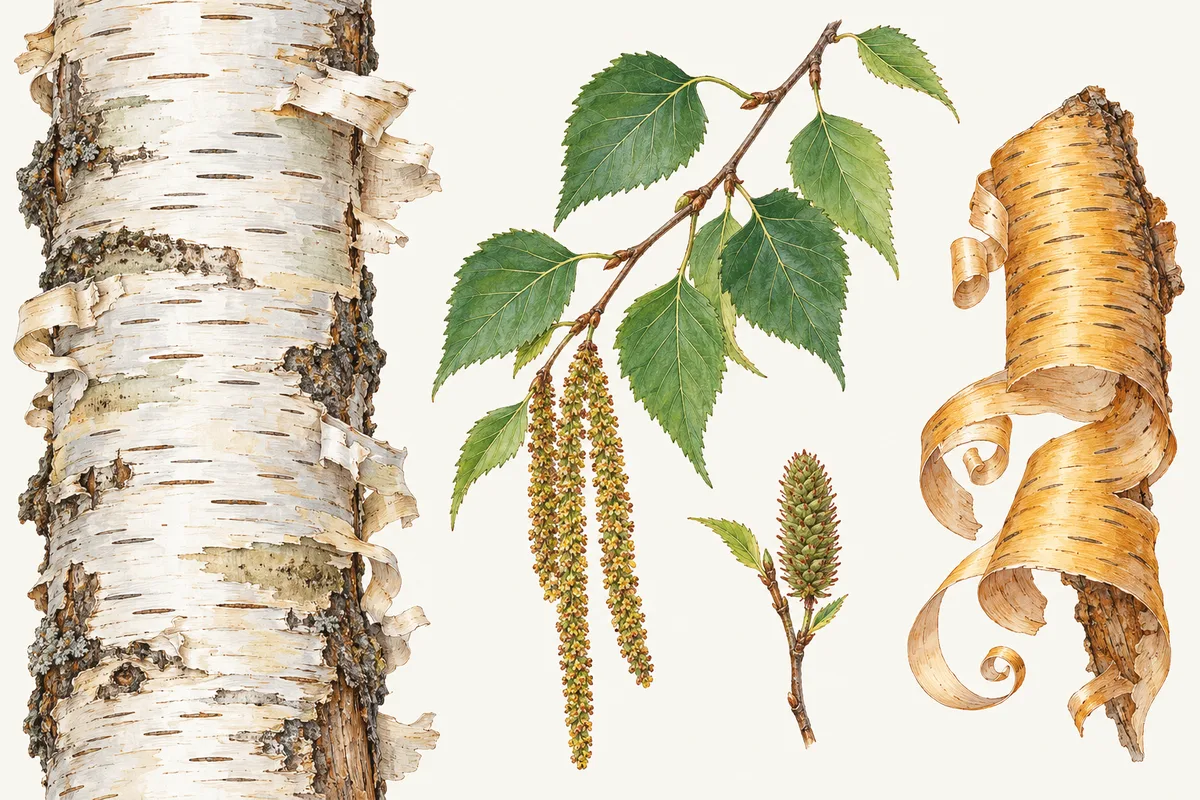 Tree profileBirches (Betula): how to identify a birch treeBetulaIdentify a birch by its bark, leaf shape and the wintergreen smell of a scratched twig, and tell paper, river, yellow, black and gray birch apart.
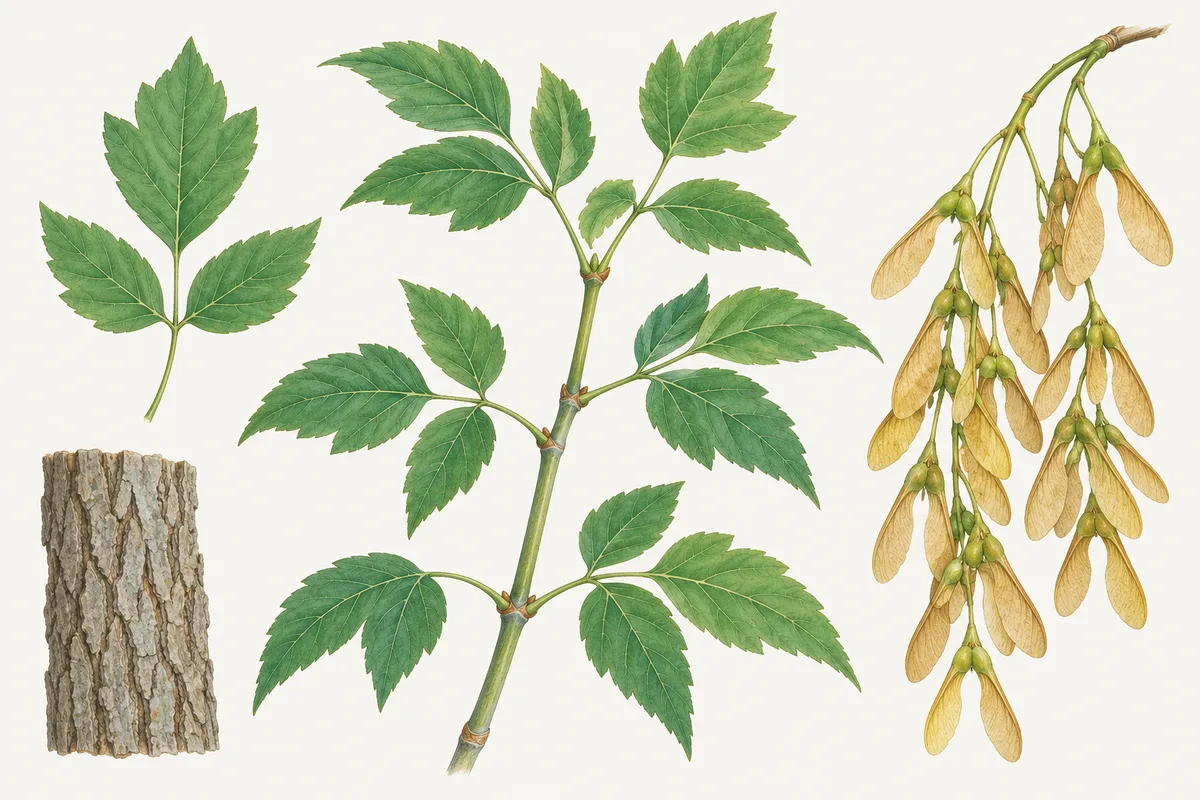 Tree profileBoxelder (Acer negundo): how to identify itAcer negundoIdentify boxelder (Acer negundo) by its opposite leaves of 3 to 7 leaflets, green bloomy twigs and V-shaped seeds, and tell it from ash and poison ivy.
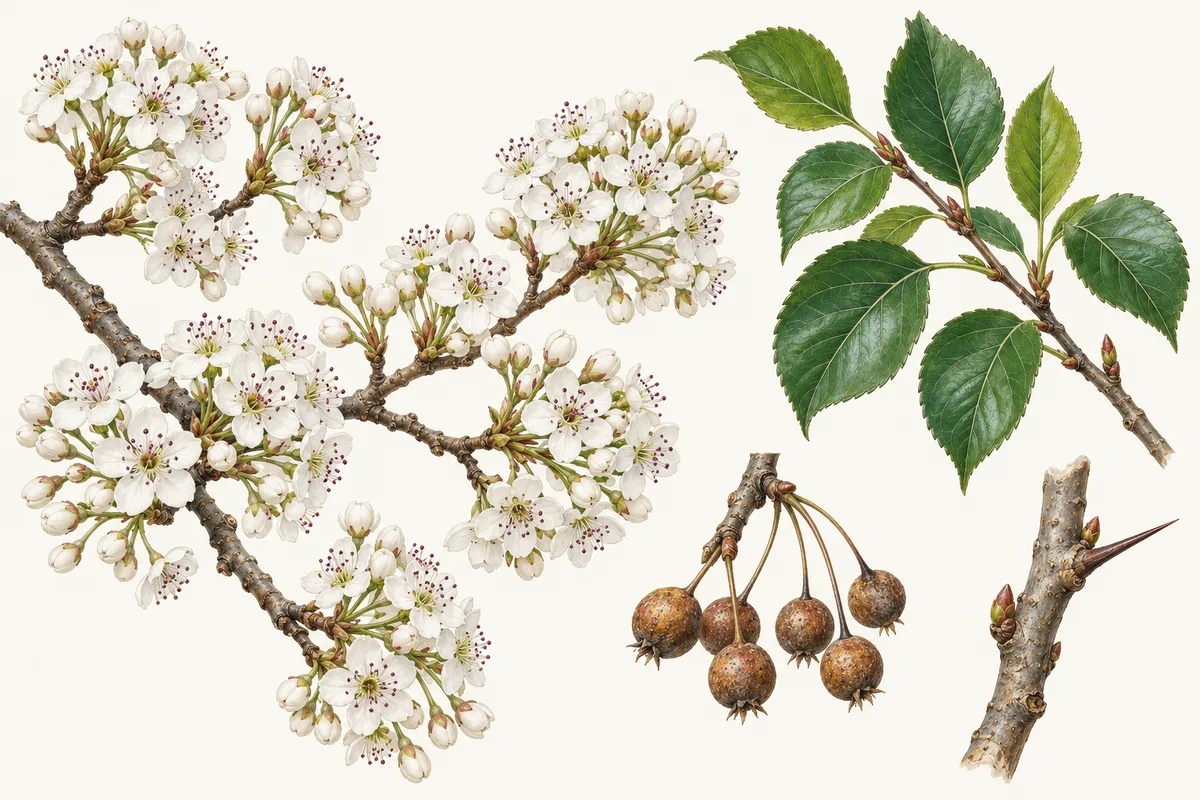 Invasive tree profileBradford pear and Callery pear (Pyrus calleryana): how to identify themPyrus calleryanaIdentify a Bradford or Callery pear by its early, bad-smelling white bloom, glossy leaves and thorny wild offspring, and see which states ban its sale.
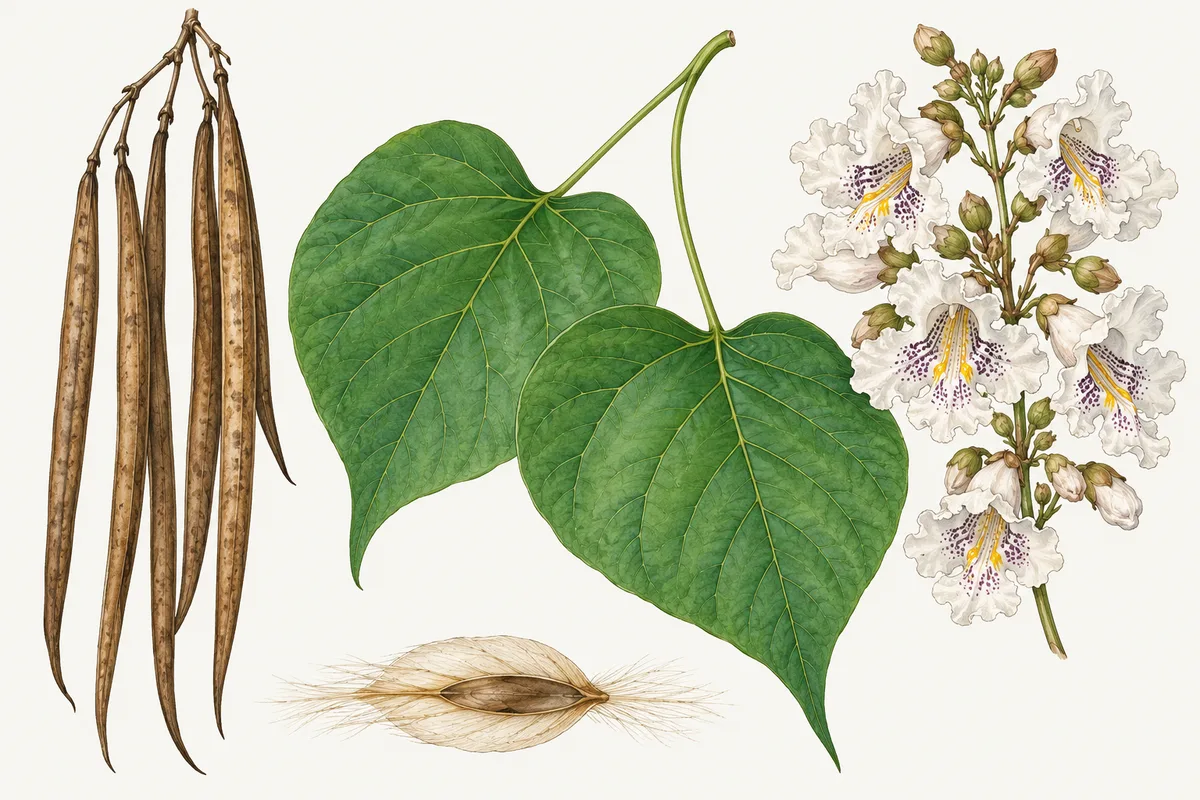 Tree profileCatalpa tree: how to recognize northern and southern catalpaCatalpa speciosa and Catalpa bignonioidesRecognize a catalpa tree by its heart-shaped leaves in whorls of three, spotted white flowers and long bean pods, and tell it from paulownia.
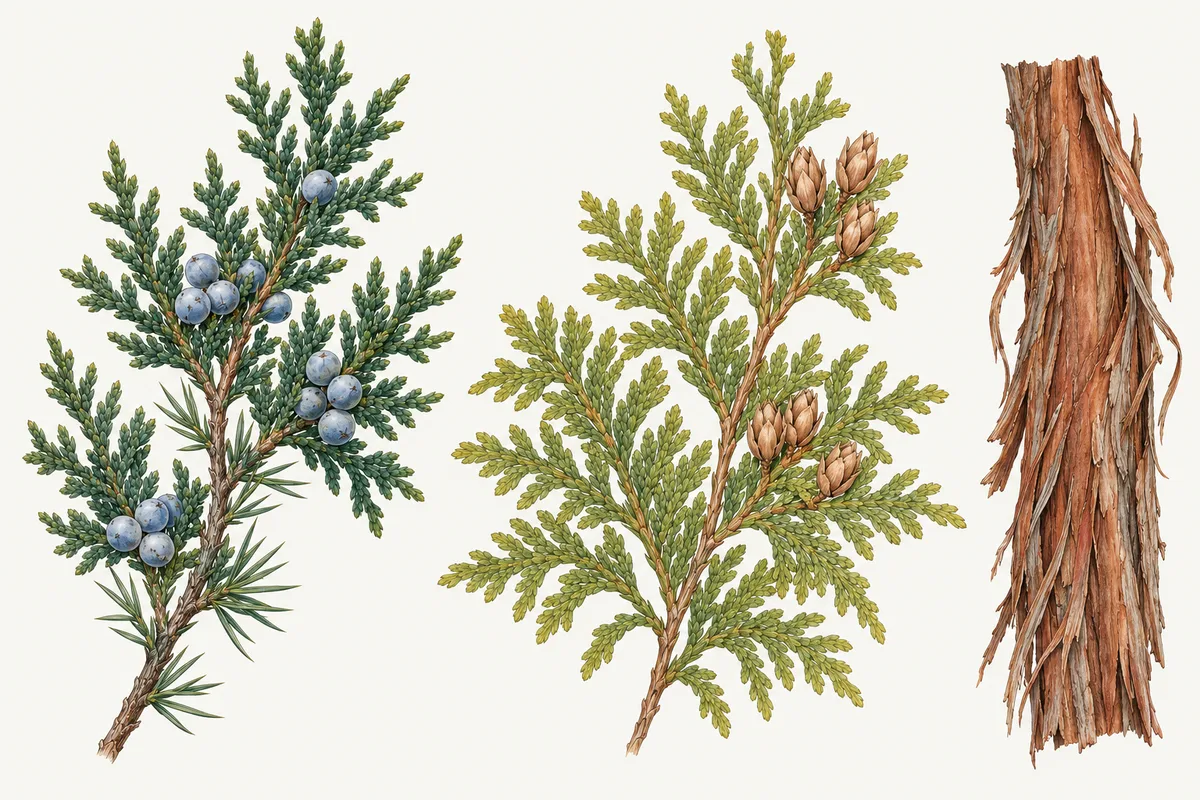 Tree profileCedar trees: how to identify red, white and true cedarsJuniperus, Thuja, Chamaecyparis and CedrusTell eastern red cedar (a juniper), white cedar, western redcedar and true cedars apart by foliage, cone and bark, with a table of trees called cedar.
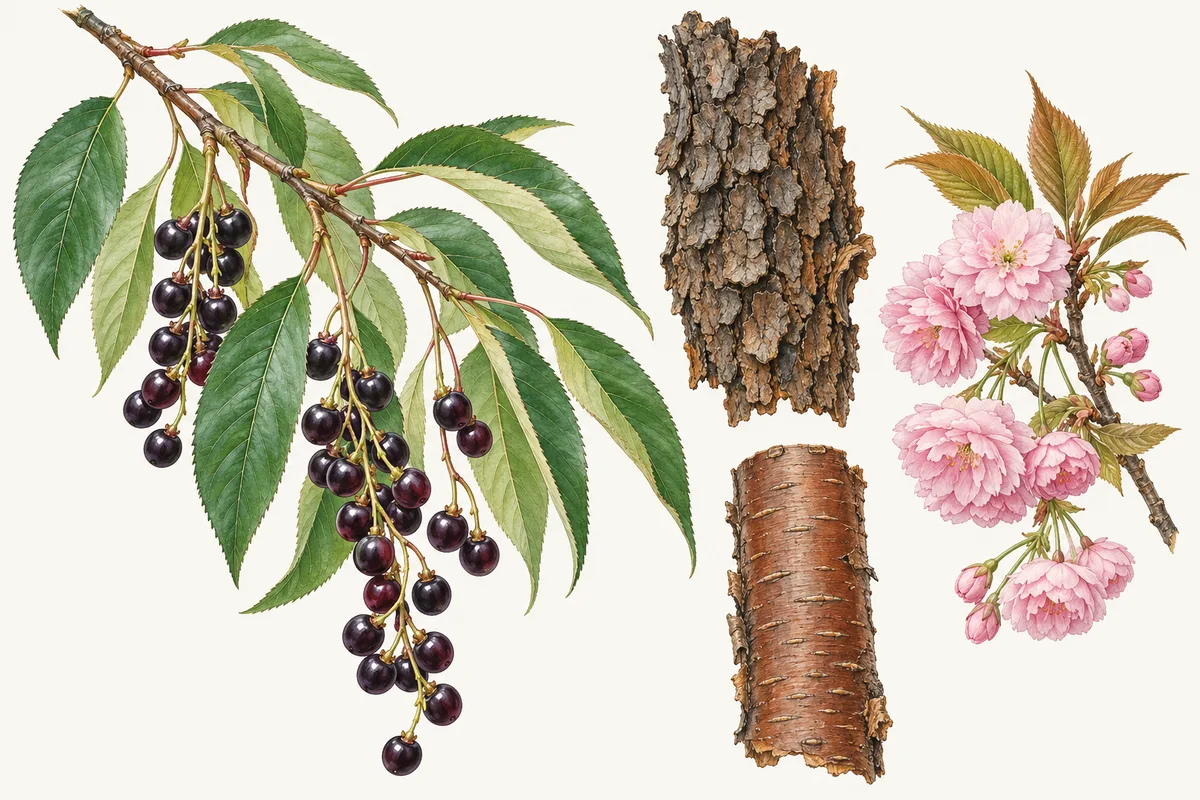 Tree profileCherry trees (Prunus): how to identify themPrunusIdentify a cherry tree by its horizontal bark lenticels and petiole glands, and tell wild black cherry from chokecherry, sweet cherry, Yoshino and Kwanzan.
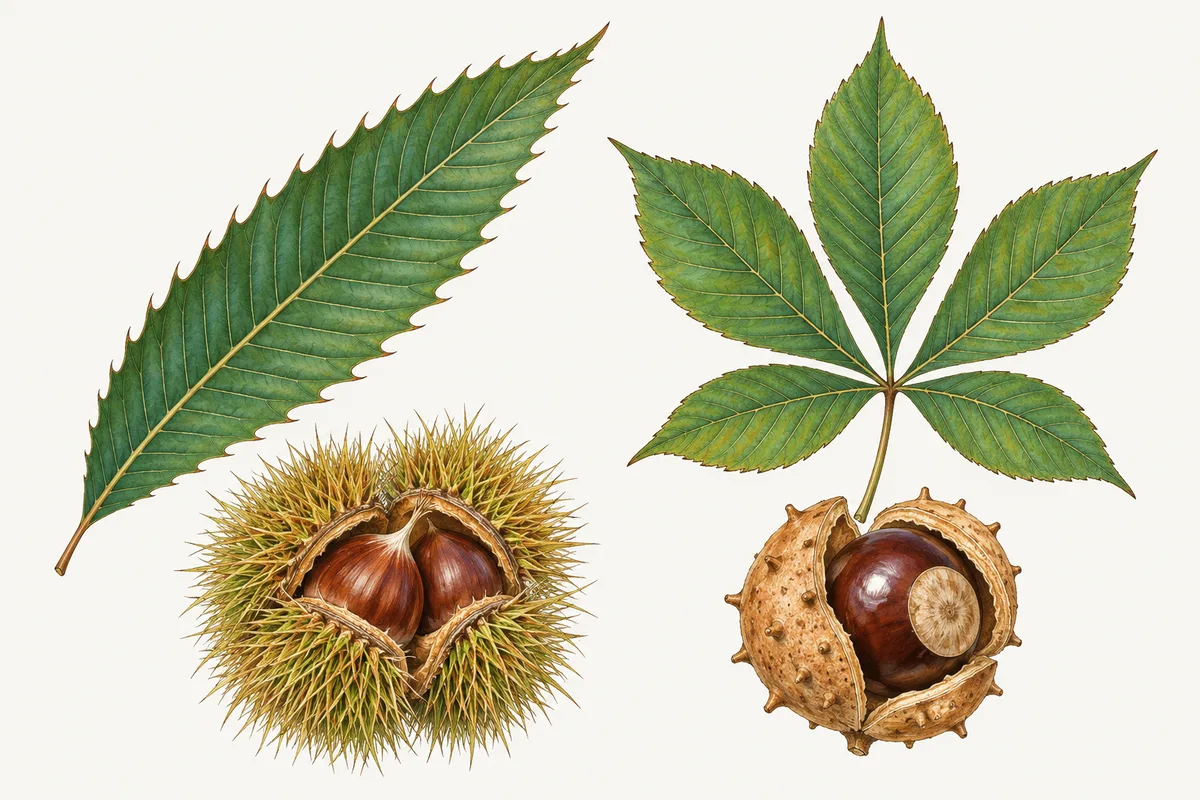 Tree comparisonChestnut vs buckeye: chestnut tree identificationCastanea dentata, Castanea mollissima and Aesculus glabraChestnut tree identification in the US: alternate bristle-toothed leaves and very spiny burs, against the buckeye's opposite, hand-shaped leaves.
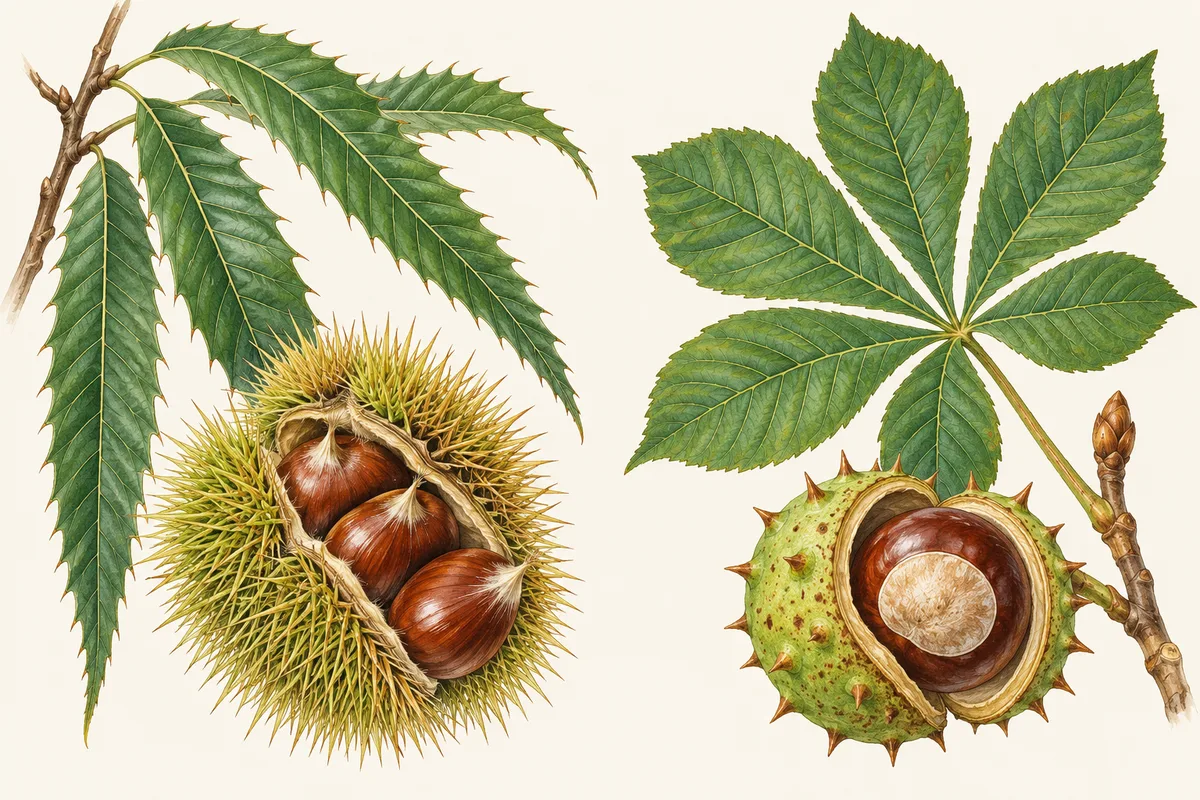 Tree comparisonConker tree: horse chestnut vs sweet chestnutAesculus hippocastanum and Castanea sativaThe conker tree is the horse chestnut. Tell it from sweet chestnut by hand-shaped or single toothed leaves, sticky buds, the husk and the spiral bark.
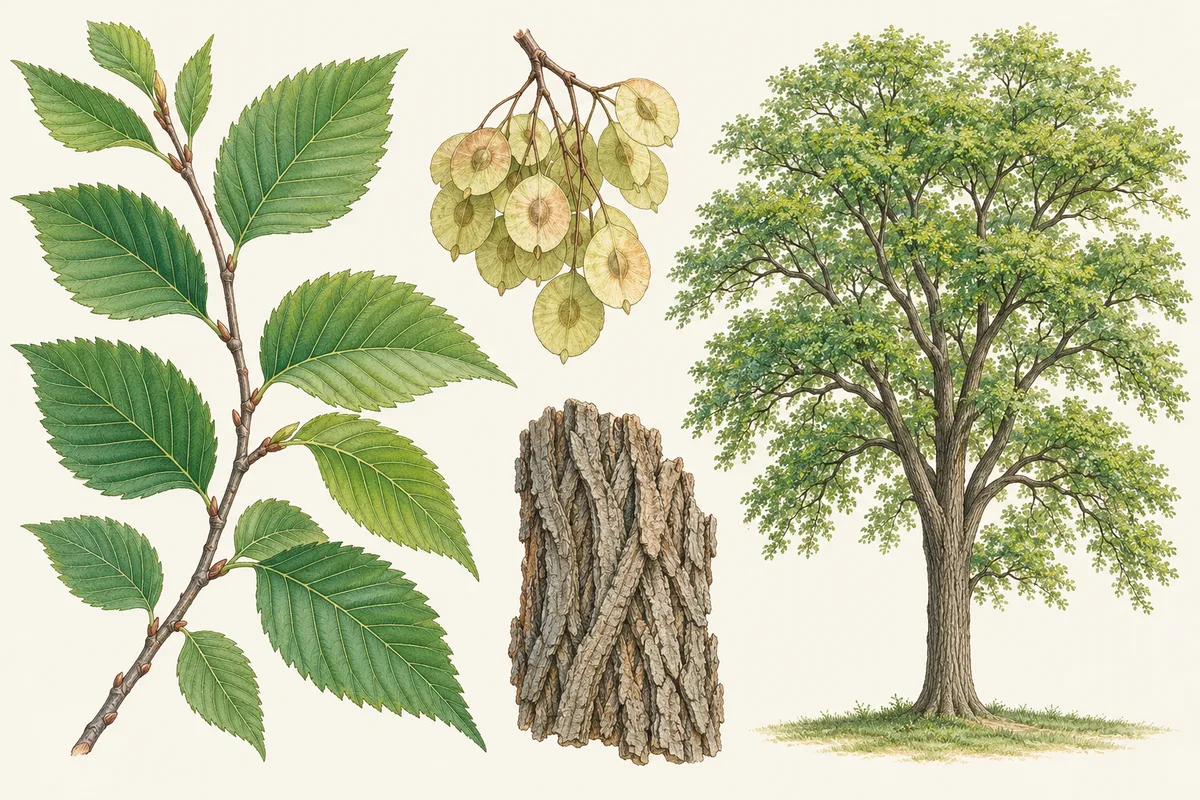 Tree profileElms (Ulmus): how to identify an elm treeUlmusIdentify an elm by its lopsided leaf base, double teeth, wafer-like seeds and bark, and tell American, slippery, Siberian and Chinese elm apart.
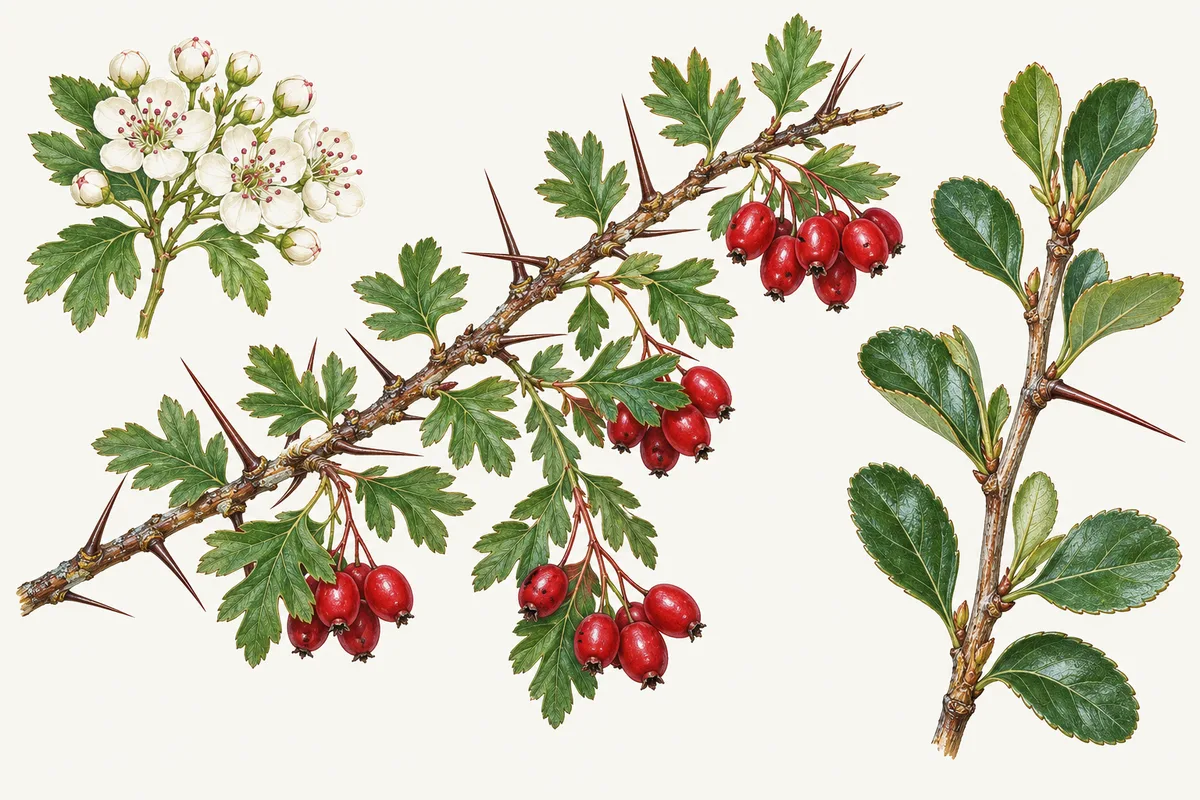 Tree profileHawthorn (Crataegus): how to identify itCrataegus spp. (common hawthorn is Crataegus monogyna)Identify a hawthorn by its stiff thorns, toothed and lobed leaves, flat white flower clusters and small red haws, in the US and in UK and Irish hedgerows.
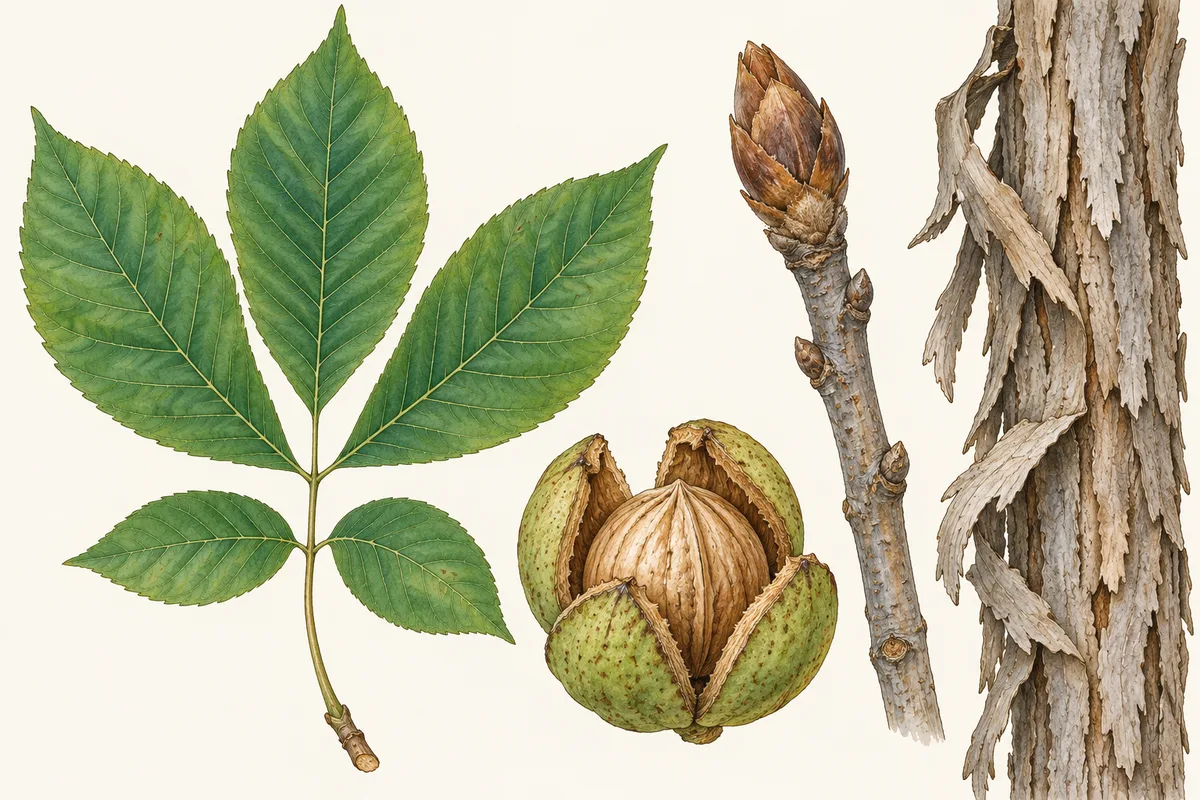 Tree profileHickory trees (Carya): how to identify themCaryaIdentify a hickory by leaflet count, nut husk and bark, and tell shagbark, shellbark, pignut, mockernut, bitternut and pecan apart, plus walnut and ash.
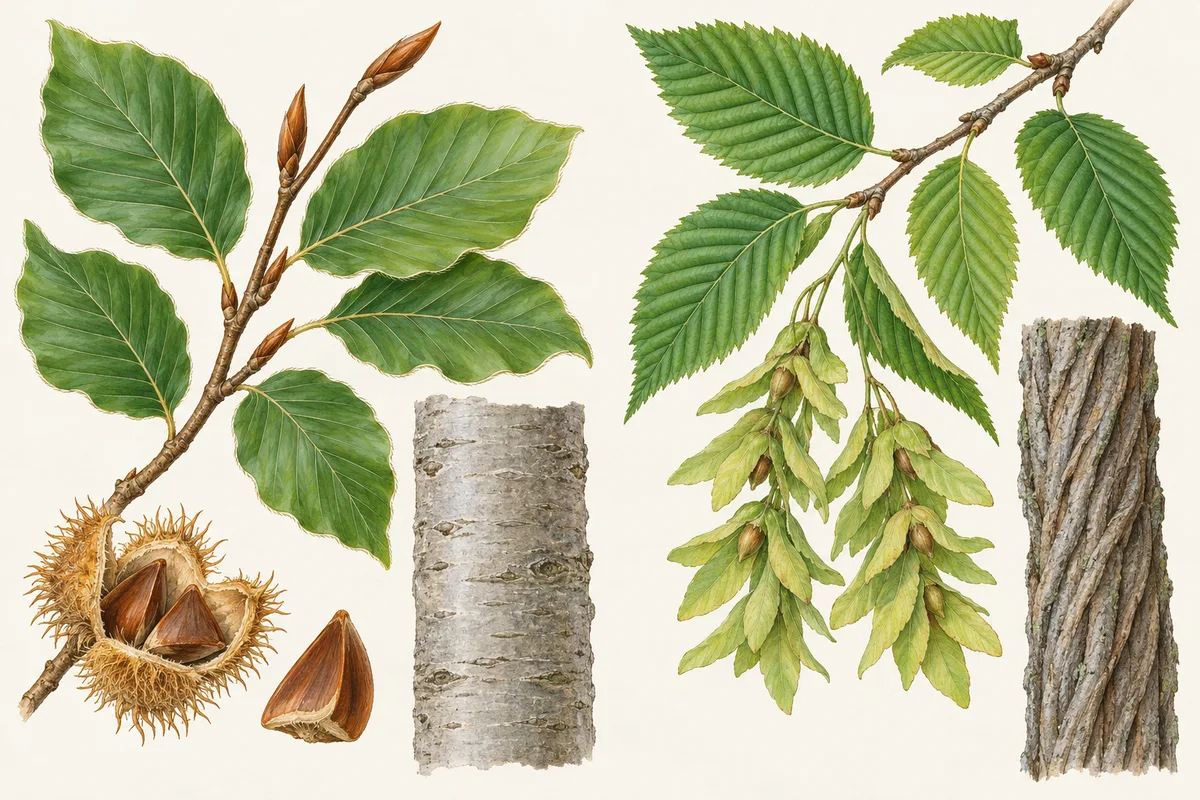 Tree comparisonHornbeam vs beech: how to tell them apartCarpinus betulus and Fagus sylvaticaTell a UK hornbeam from beech by the leaf edge, the buds and the trunk, settle the beech or hornbeam hedge question, and compare the American pair.
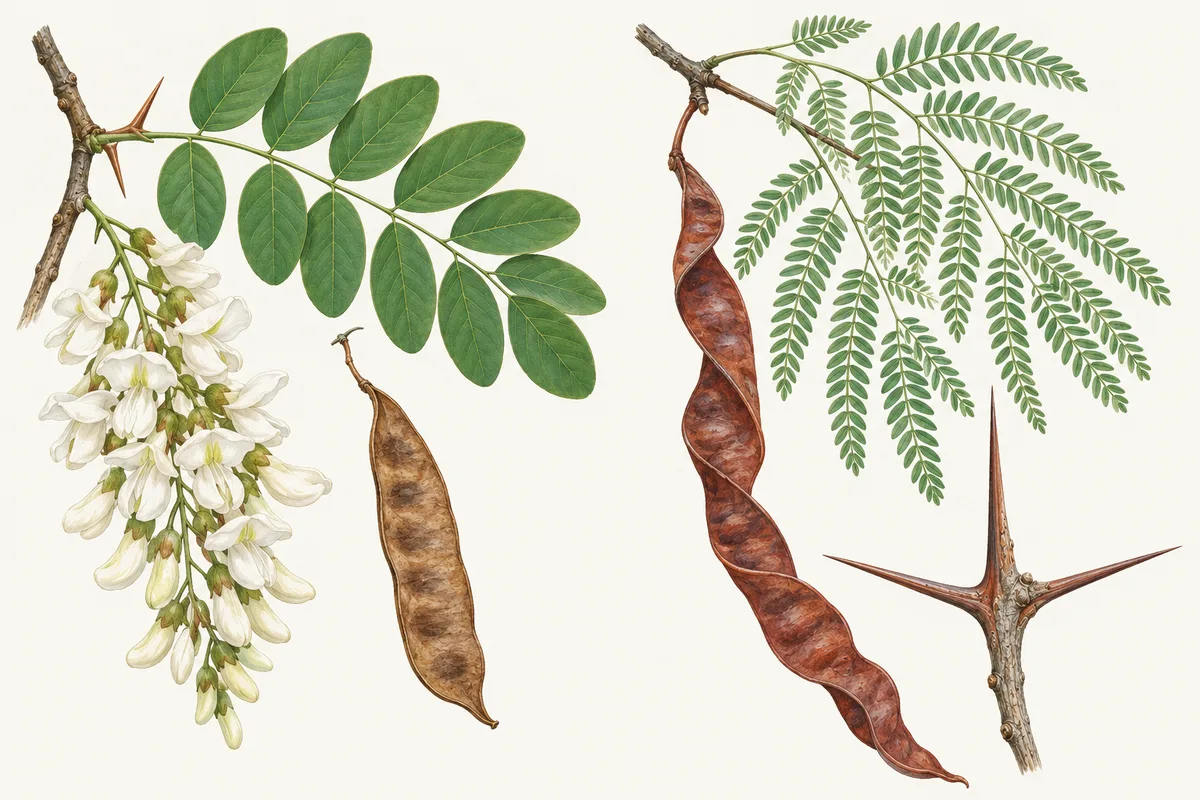 Tree profileLocust trees: how to identify black locust and honey locustRobinia pseudoacacia and Gleditsia triacanthosTell black locust from honey locust by thorns, pods, leaflets and bark, and recognize the thornless honey locust cultivars planted in yards and streets.
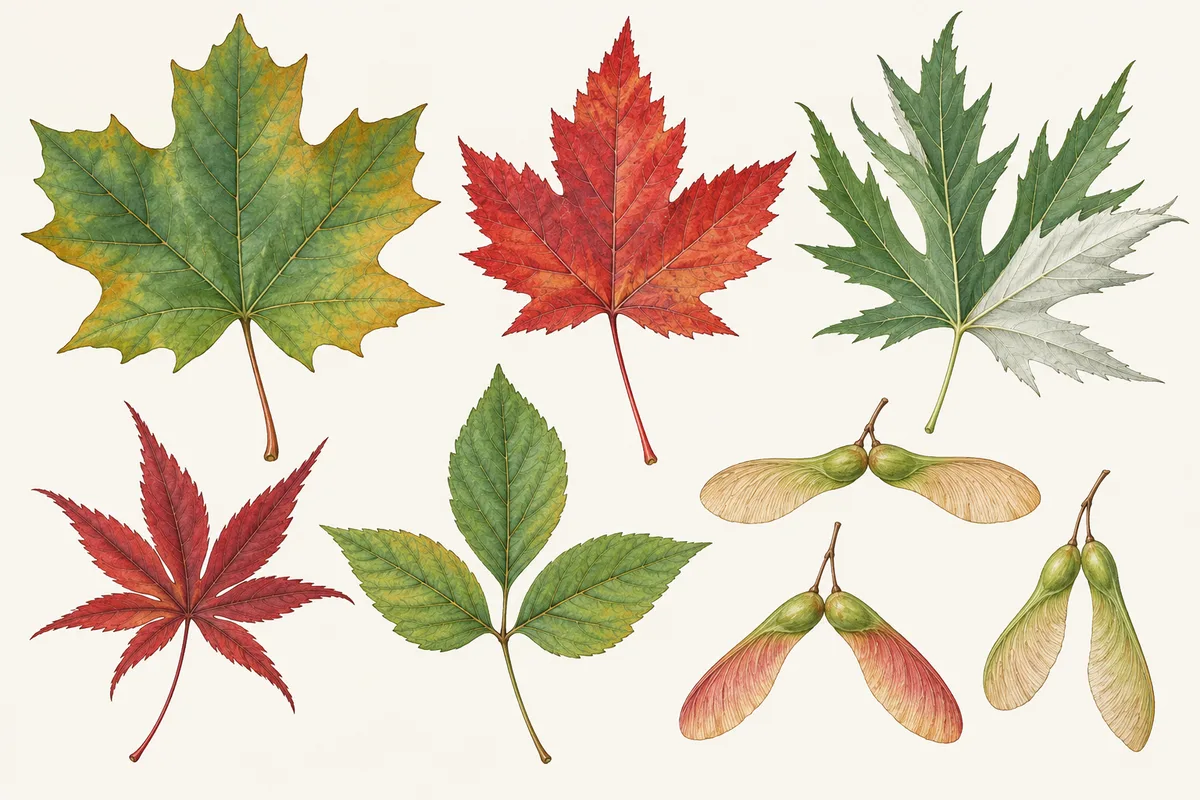 Tree profileMaple trees (Acer): how to identify themAcer spp.Confirm a maple by its opposite branching and paired samaras, then tell sugar, red, silver, Norway, boxelder, Japanese and bigleaf maple apart.
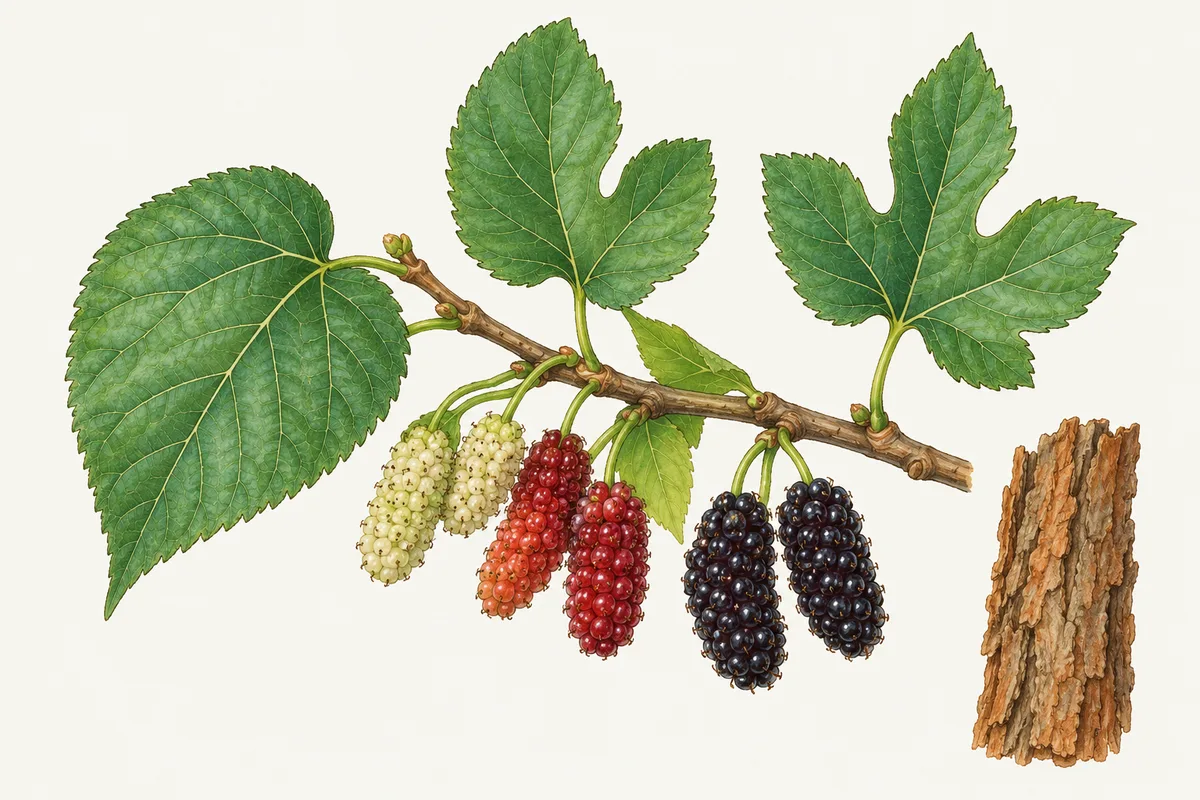 Tree profileMulberry (Morus): how to identify itMorus rubra and Morus albaIdentify a mulberry by its mixed leaf shapes, toothed edges and milky sap, tell red from white mulberry, and spot a fruitless male tree.
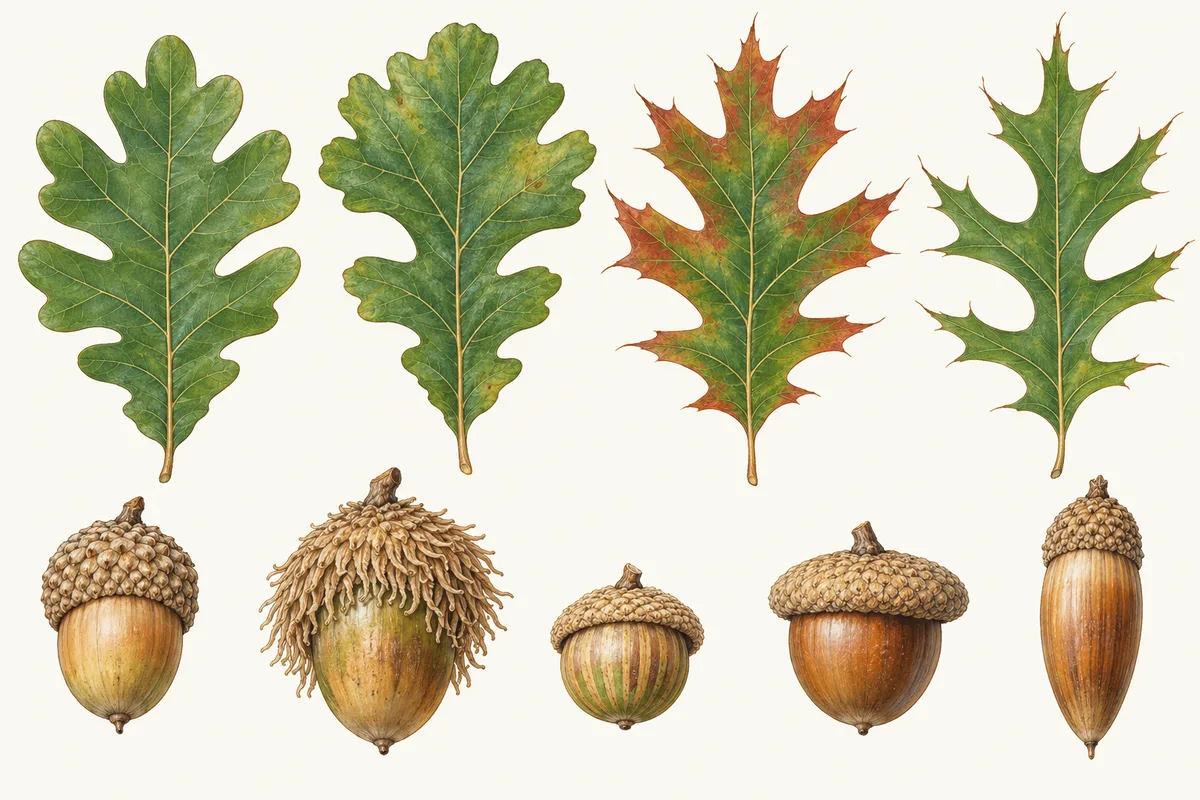 Tree profileOak trees (Quercus): how to identify themQuercusTell an oak from other trees, sort it into the red or white oak group by lobe tips and acorns, then match it to 11 common US oaks with an acorn table.
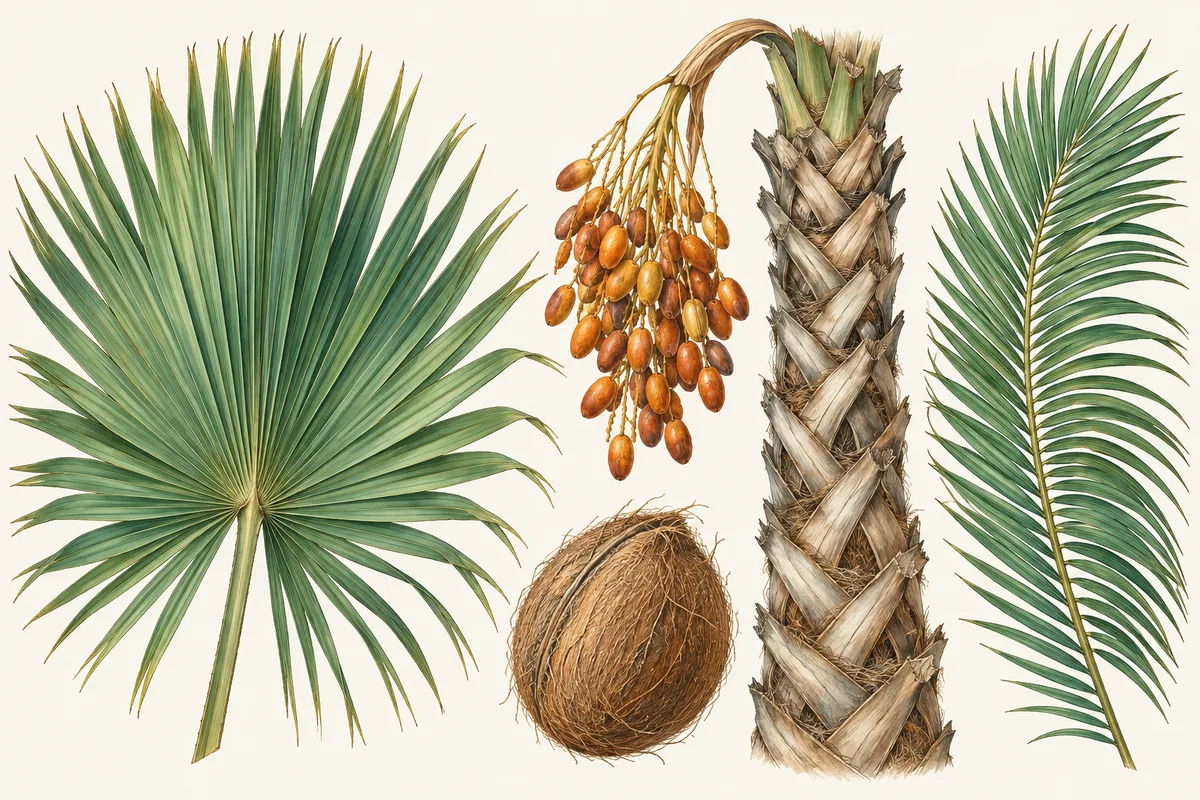 Tree profilePalm trees (Arecaceae): how to identify themArecaceaeIdentify a palm tree by its leaf type (fan, feather or costapalmate) and trunk, then match it to common palms of Florida, the Gulf Coast and California.
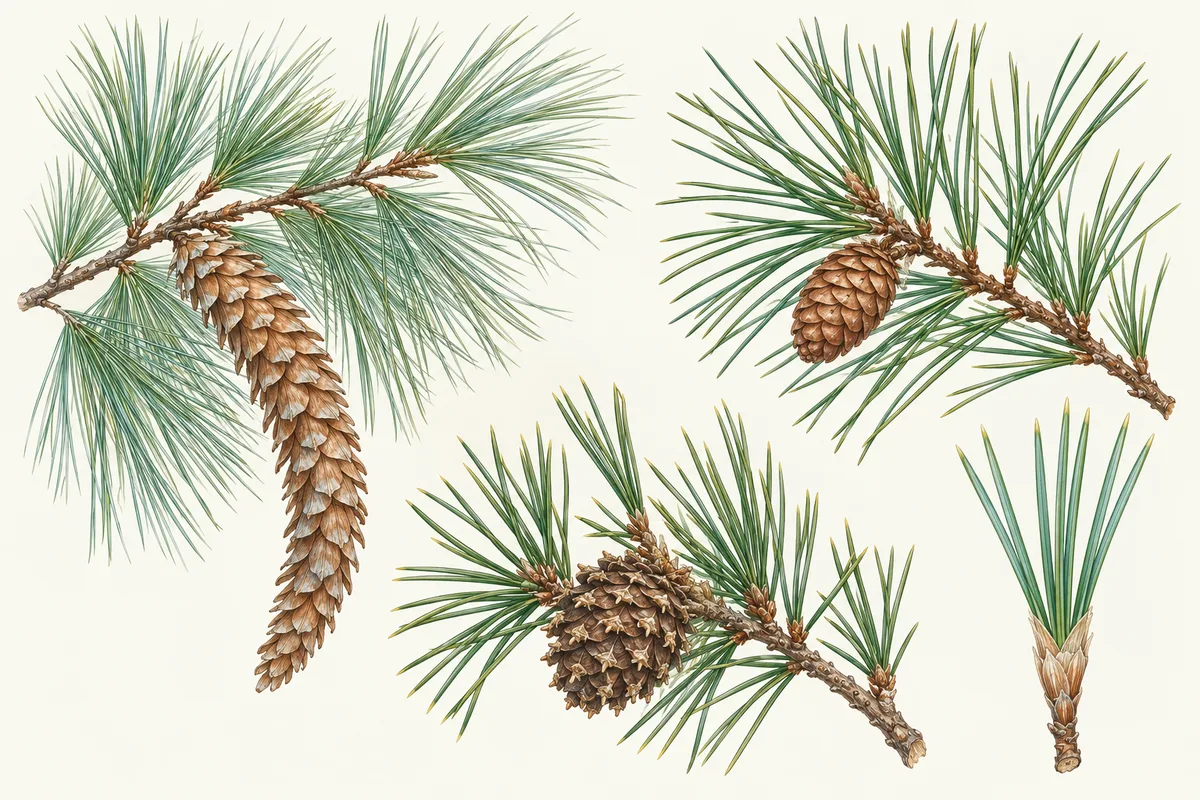 Tree profilePines (Pinus): how to identify a pine treePinusIdentify a pine by counting the needles in each bundle, measuring them and checking the cone. A sourced chart covers 14 common US pines.
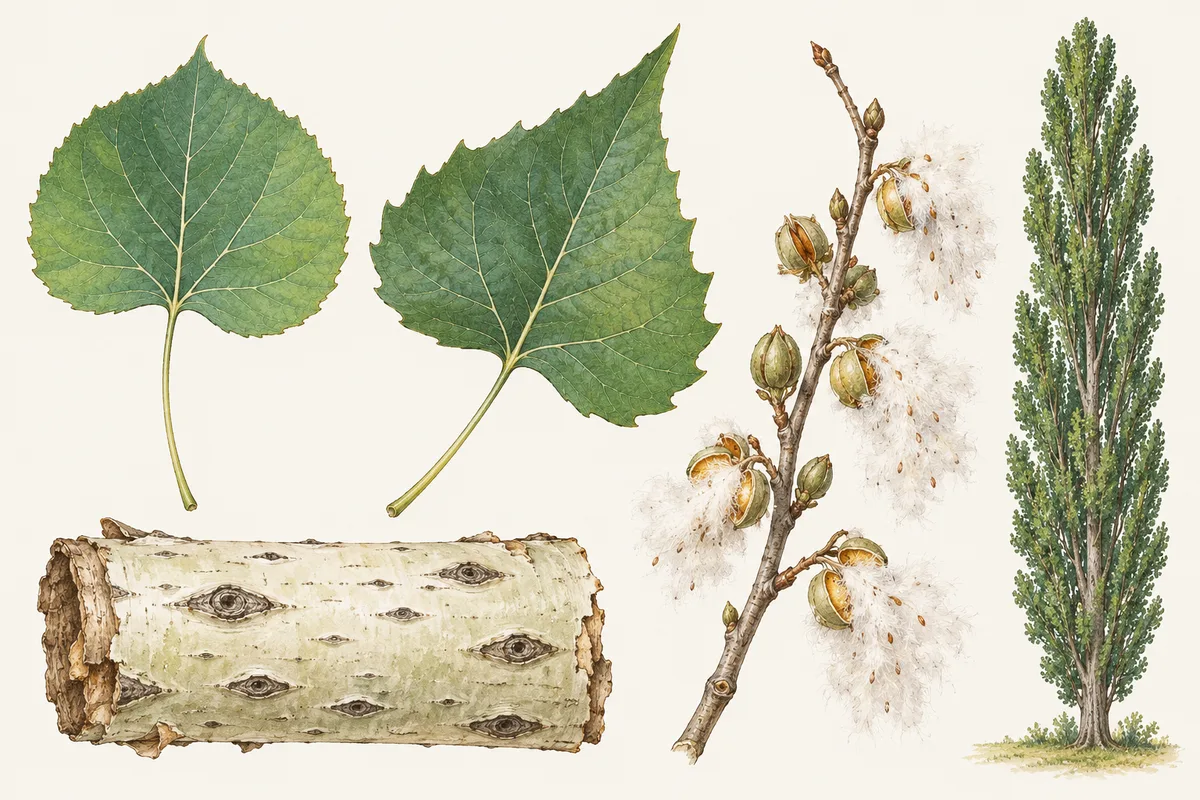 Tree profilePoplars, cottonwoods and aspens (Populus): how to identify themPopulusIdentify poplars, cottonwoods and aspens by the flattened leaf stalk, and tell cottonwood, quaking and bigtooth aspen, Lombardy and white poplar apart.
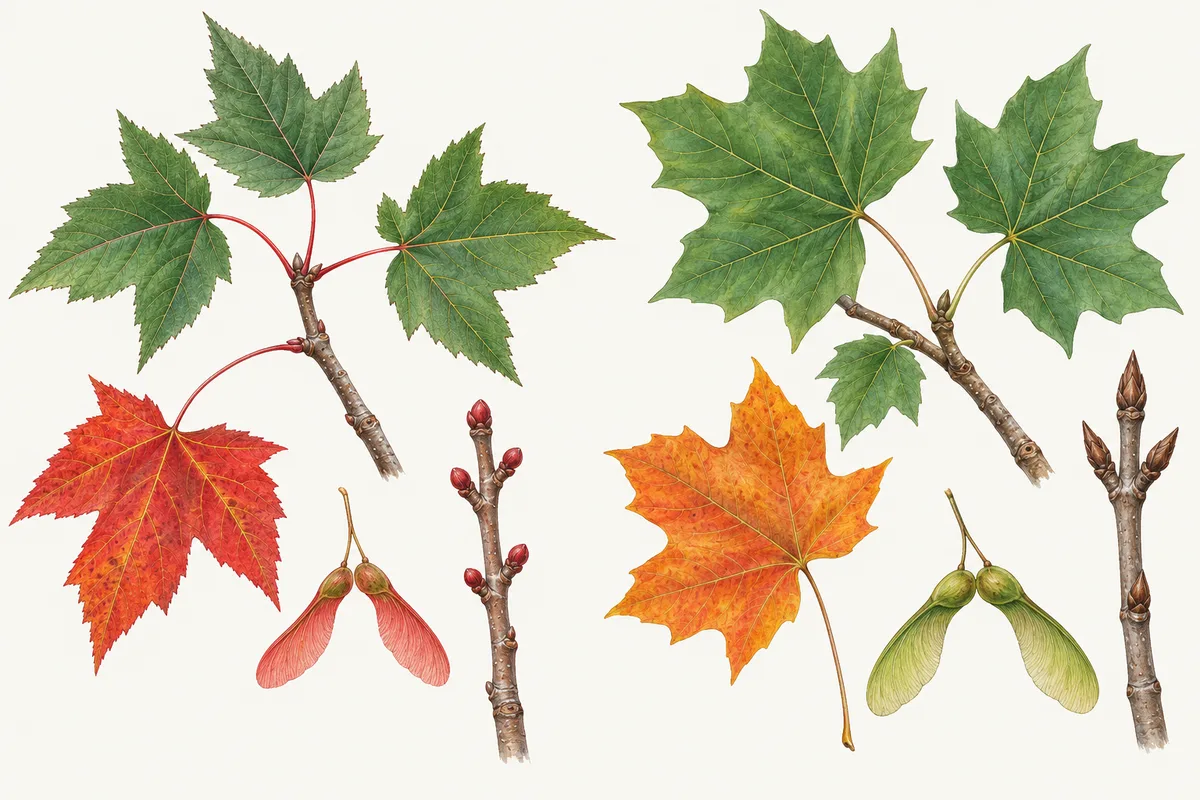 Tree comparisonRed maple vs sugar maple: how to tell them apartAcer rubrum and Acer saccharumTell red maple from sugar maple by sinus shape, leaf teeth, winter buds, bark and samaras, plus the milky-sap test that rules out Norway maple.
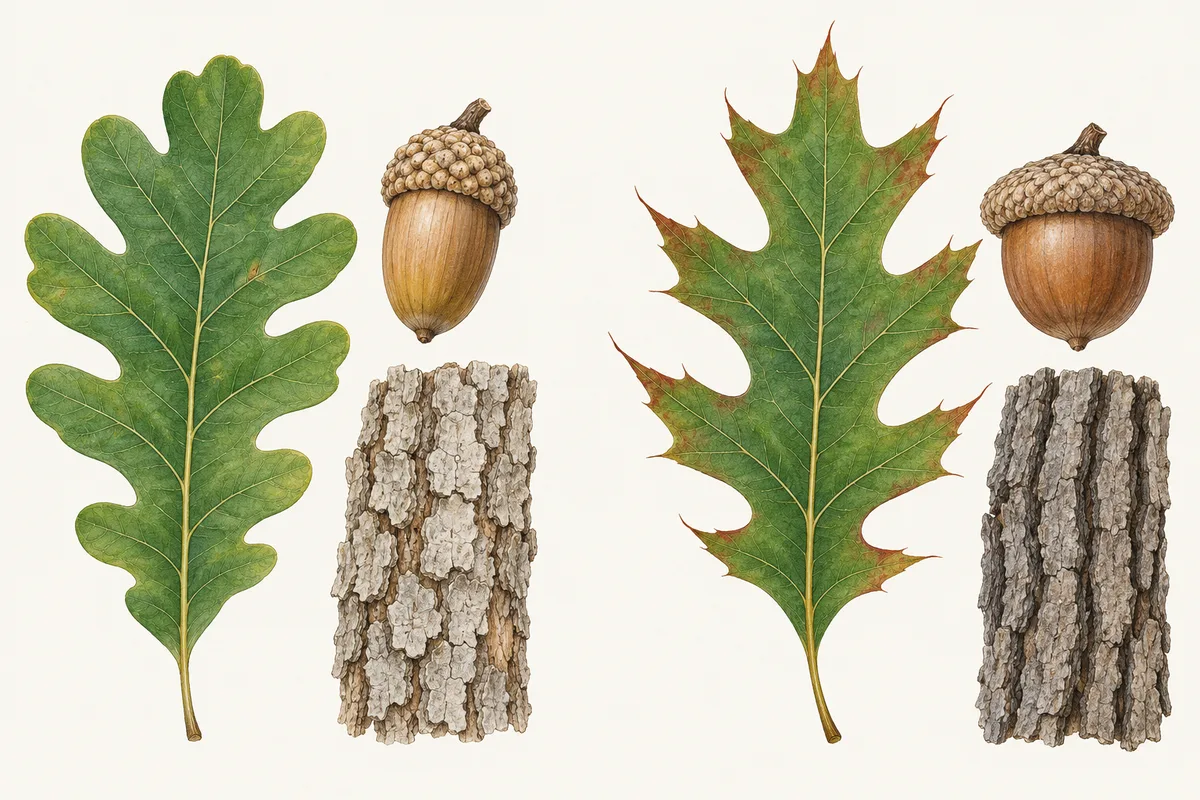 Tree comparisonRed oak vs white oak trees: how to tell the living trees apartQuercus rubra and Quercus albaTell a living red oak from a white oak by lobe tips, sinus depth, acorn cap and shell lining, buds and bark, with a side-by-side table and a winter test.
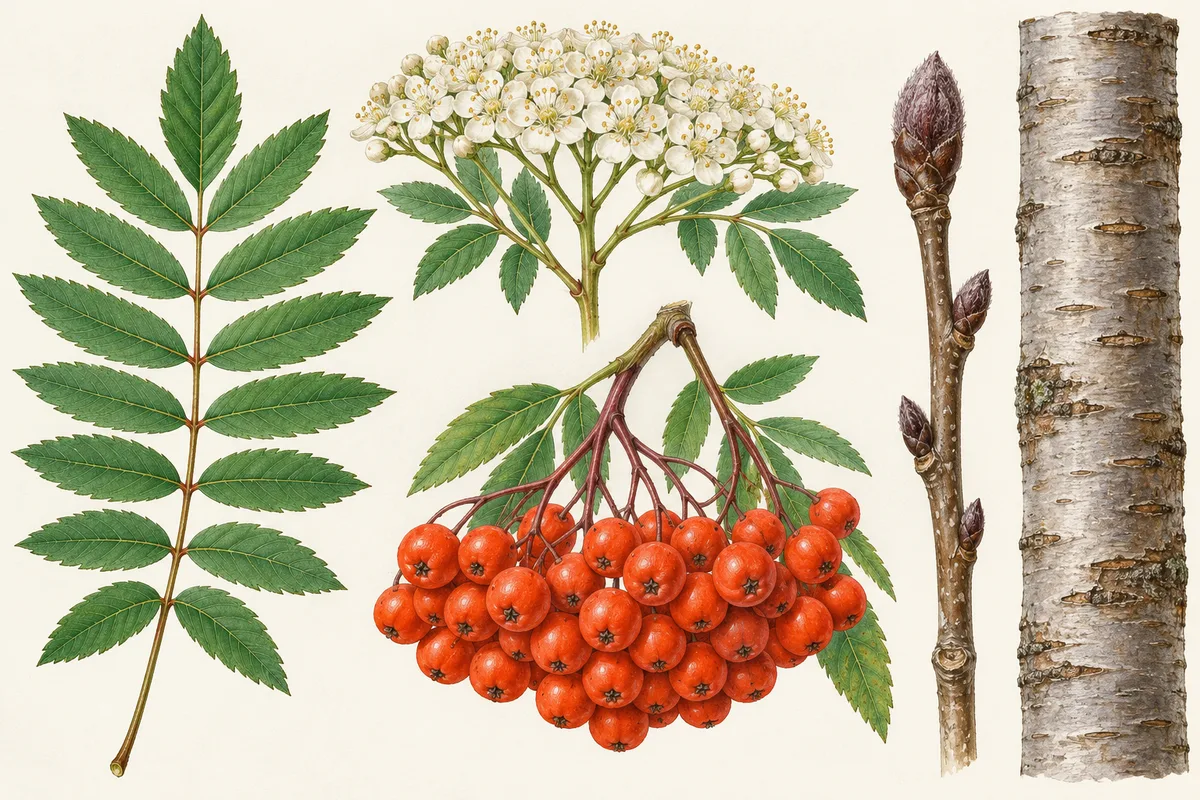 Tree profileRowan tree (mountain ash): how to identify itSorbus aucupariaIdentify a rowan or mountain ash by its feather-like leaves, flat clusters of cream flowers and scarlet berries, and tell European from American species.
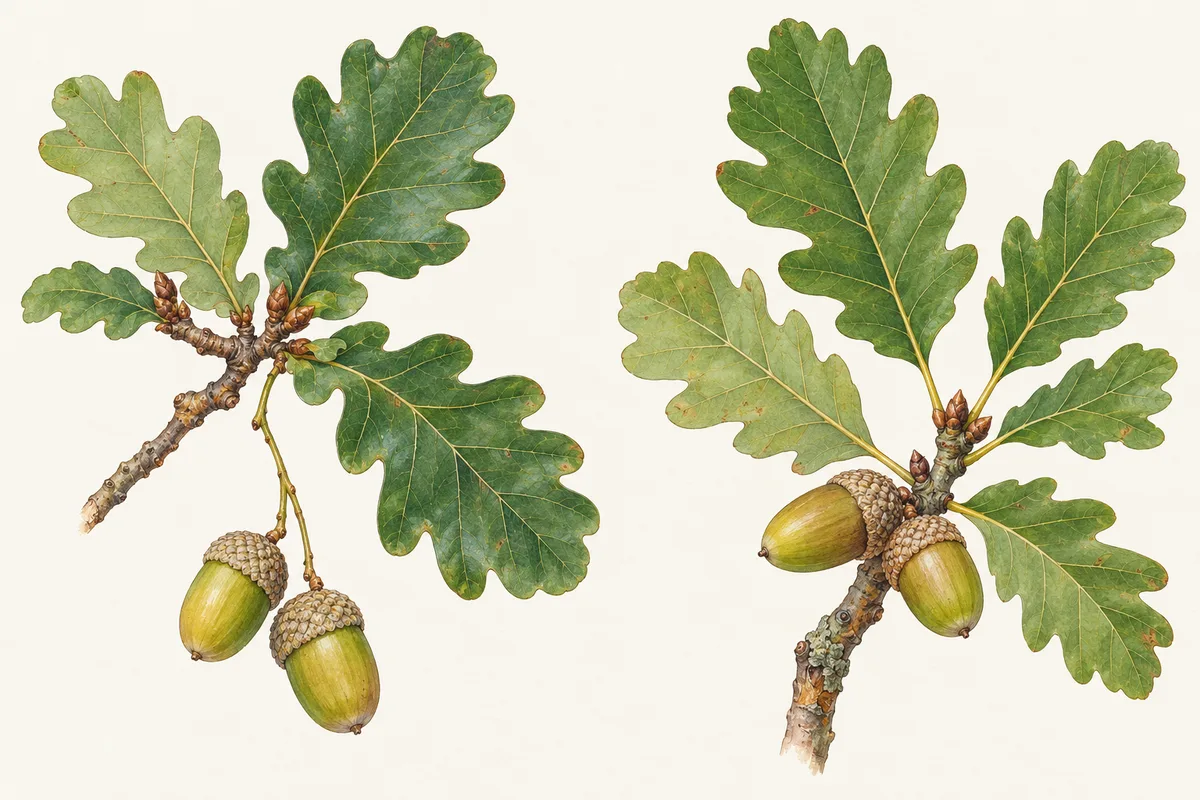 Tree comparisonSessile oak vs English oak: how to tell them apartQuercus robur and Quercus petraeaTell sessile oak from English (pedunculate) oak by the leaf stalk, the acorn stalk, the ear-shaped leaf base and the veins in the gaps between lobes.
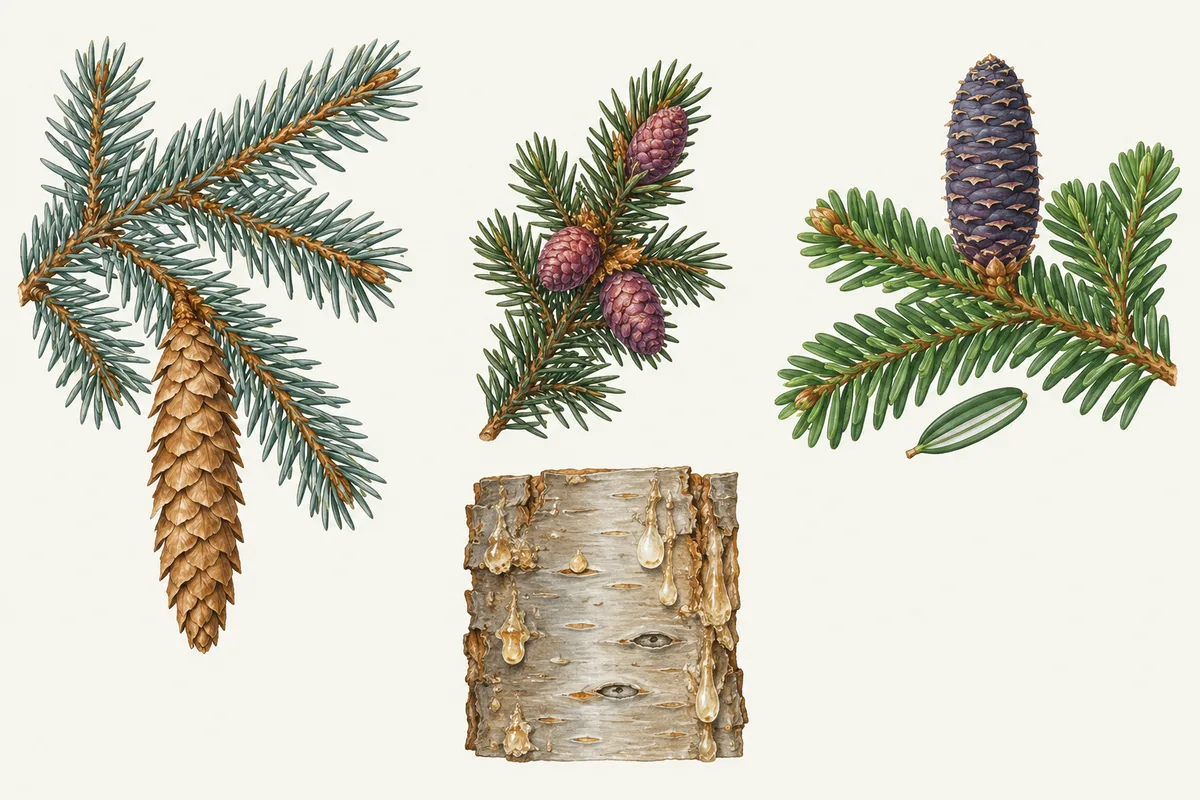 Tree comparisonSpruce vs fir: how to tell them apartPicea and AbiesSpruce vs fir in four field tests: roll a needle, pull one off, check the cones and look for resin blisters. Covers white and black spruce and balsam fir.
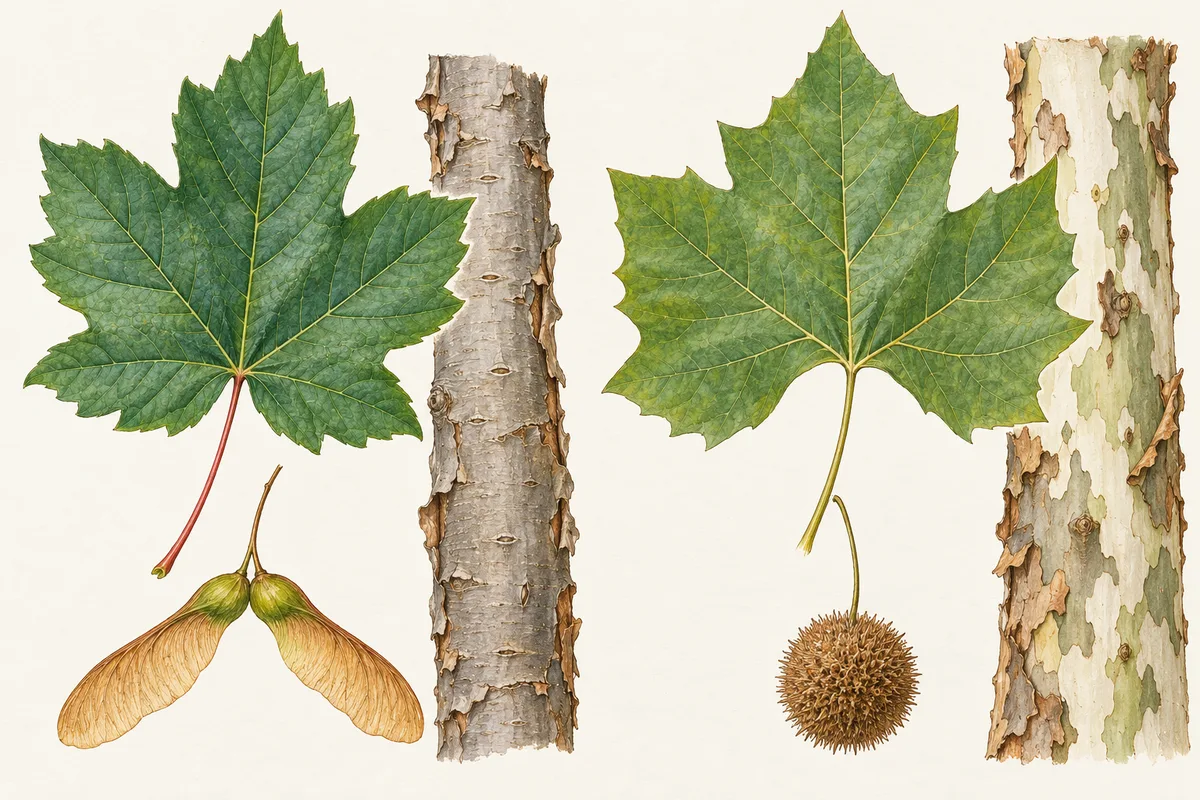 Tree profileSycamore tree: the British maple and the American plane treeAcer pseudoplatanus (Britain and Ireland); Platanus occidentalis (North America)Sycamore means a maple in Britain and a plane tree in North America. Tell them apart by buds, seeds and bark, and from field maple and London plane.
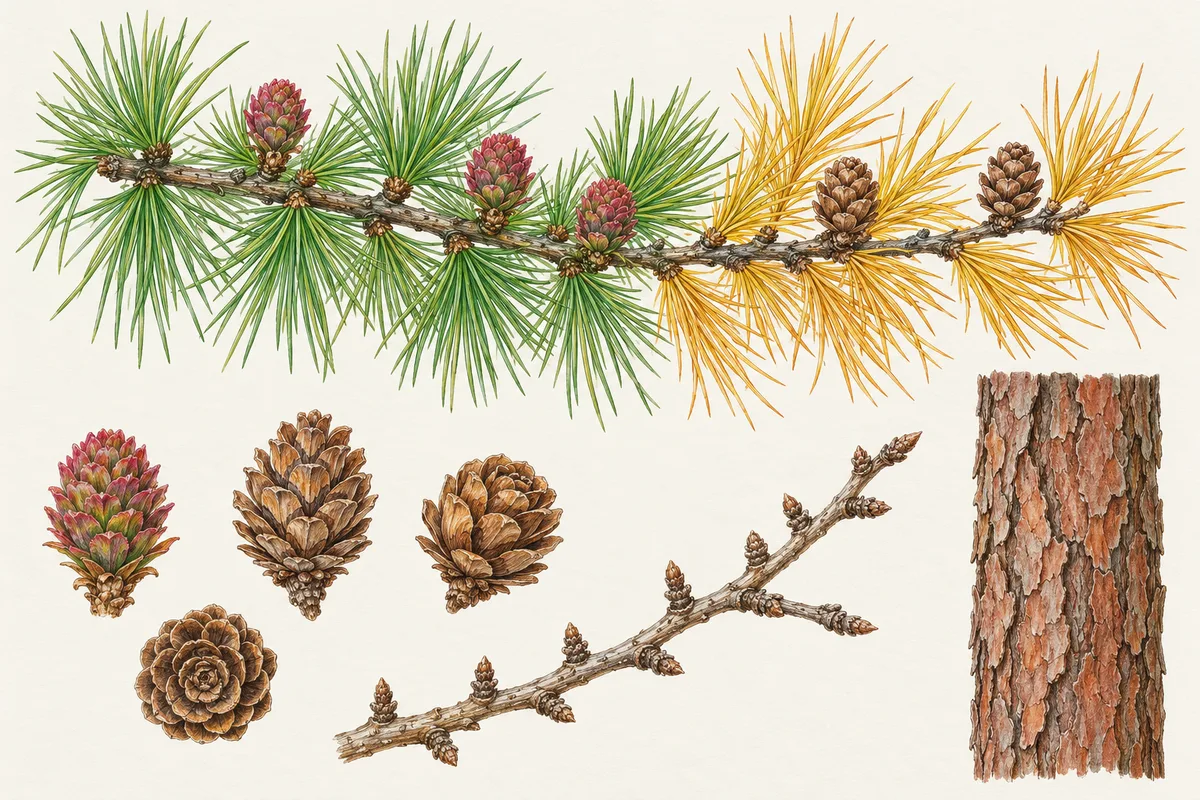 Tree profileTamarack (Larix laricina): how to identify itLarix laricinaIdentify a tamarack by its soft needle tufts, 1–2 cm cones and autumn gold, and tell it from European, Japanese and western larch in the field.
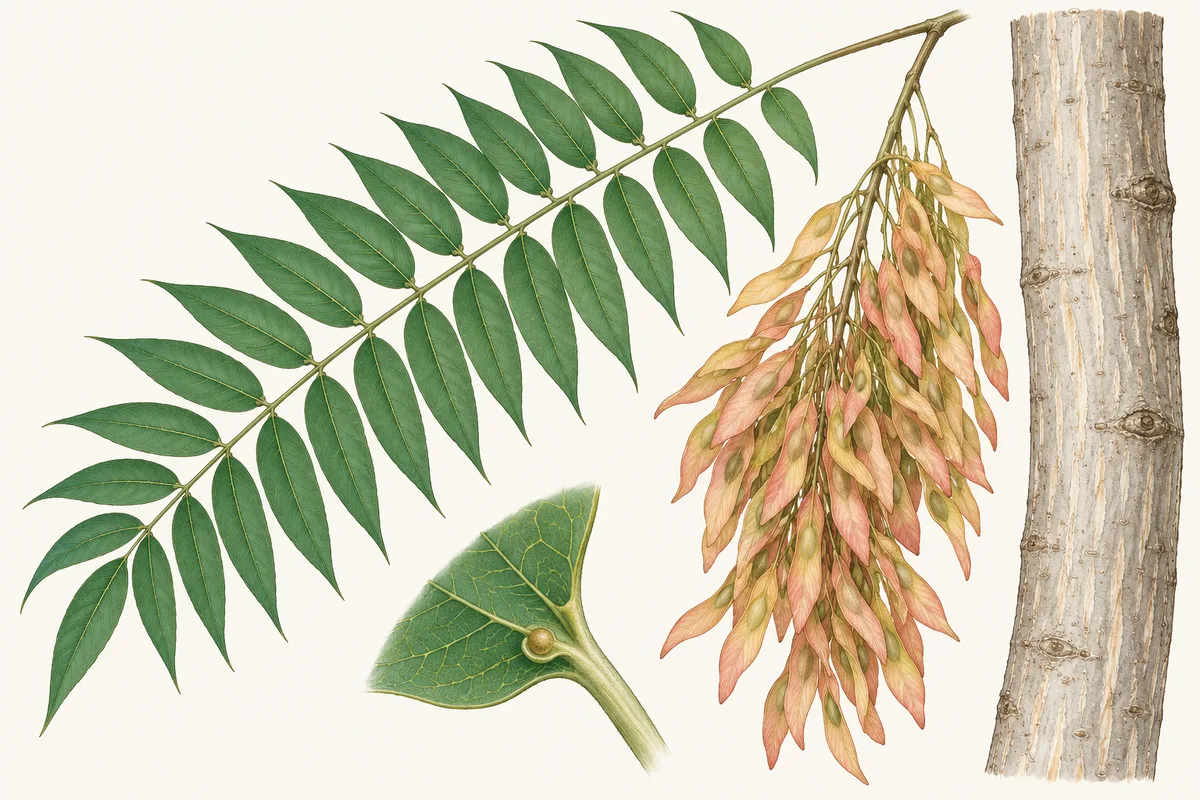 Invasive tree profileTree of heaven (Ailanthus altissima): how to identify itAilanthus altissimaIdentify tree of heaven by the gland-tipped teeth at each leaflet base and the smell of a crushed leaf, and tell it from sumac, black walnut and ash.
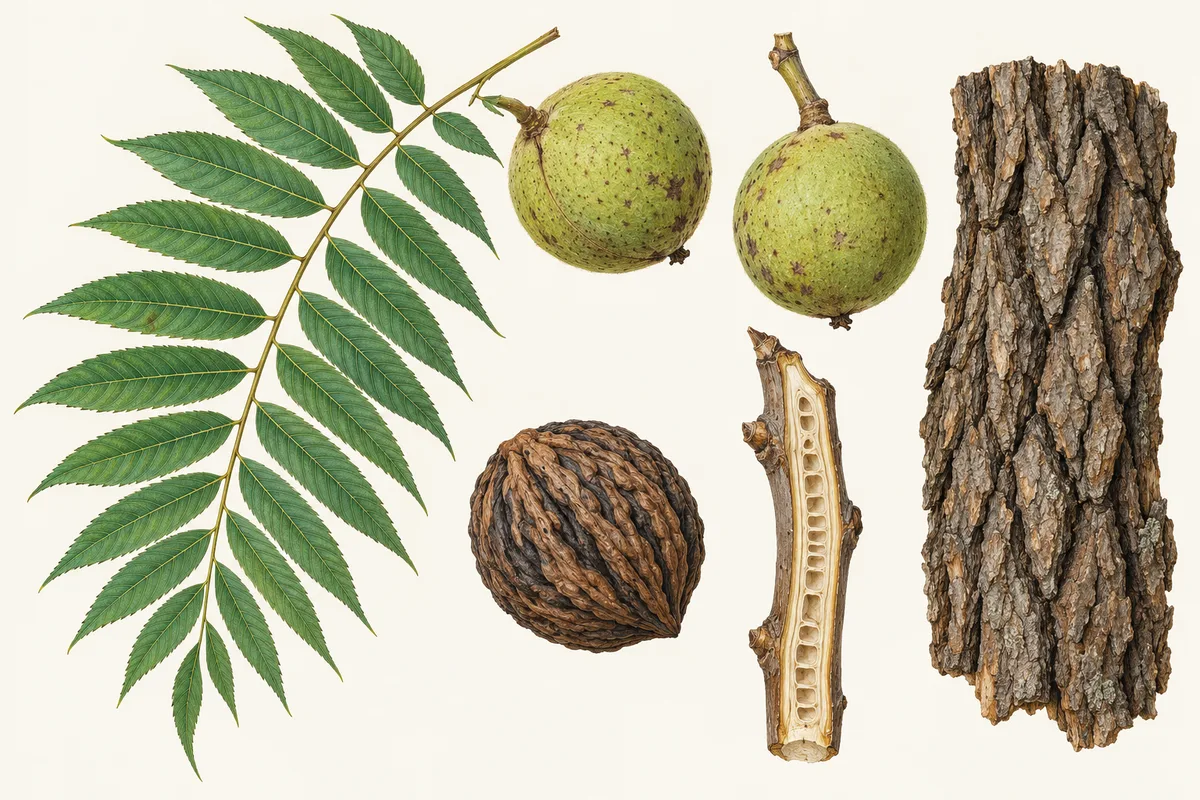 Tree profileWalnut trees (Juglans): how to identify themJuglansIdentify a walnut by its long compound leaves, chambered pith and husked nut; tell black walnut, butternut, English walnut and tree of heaven apart.
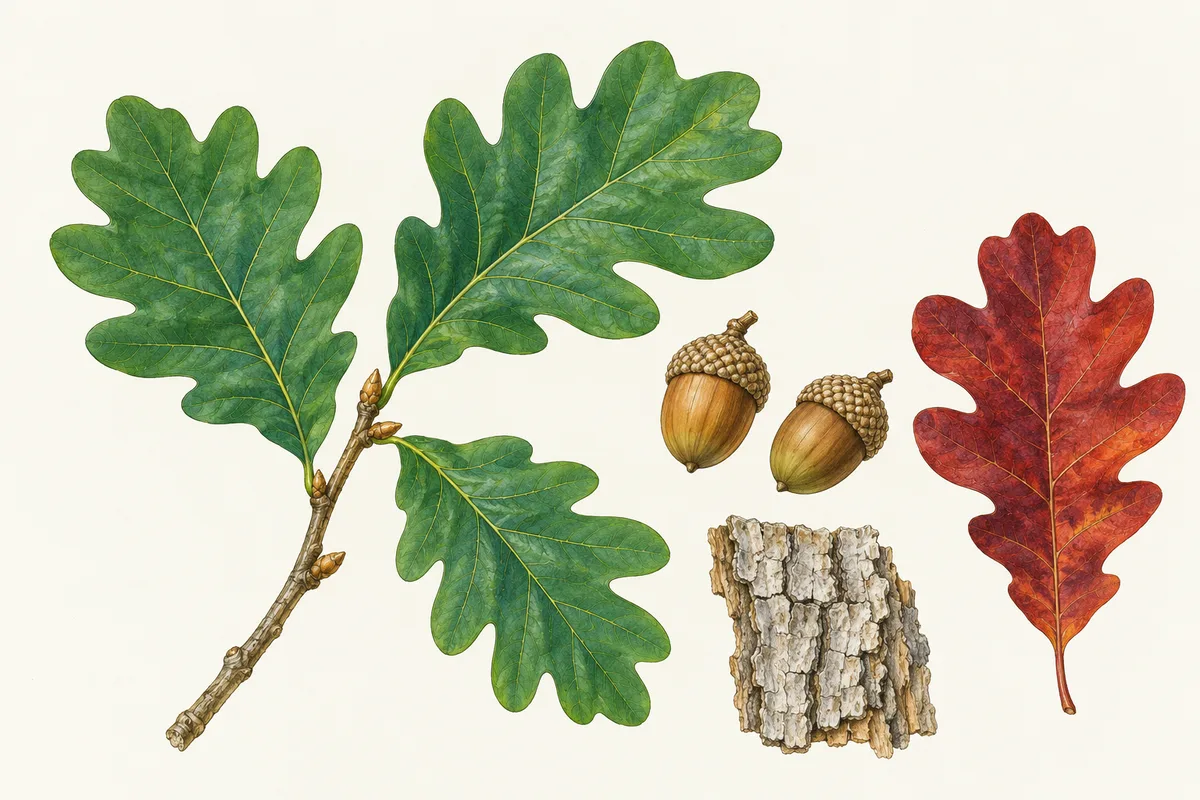 Tree profileWhite oak (Quercus alba): how to identify itQuercus albaIdentify a white oak by its rounded, bristle-free lobes, warty-capped acorns and ashy-gray bark, and tell it from bur, post, swamp white and red oaks.
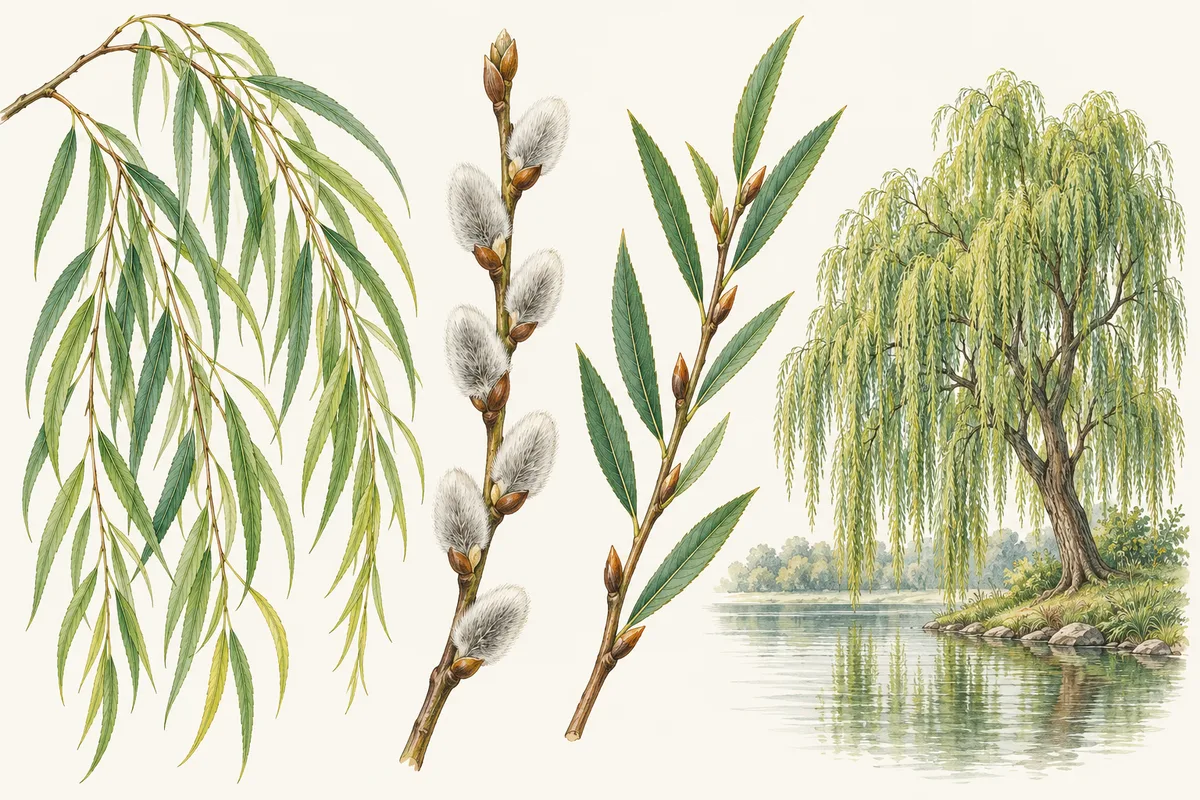 Tree profileWillow trees (Salix): how to identify themSalixIdentify a willow by its narrow toothed leaves and one-scale buds, and tell weeping, black, white, pussy and corkscrew willow apart from willow oak.